2026 China AI Computing Chip Market Research Report: The "Heart" of Computing Power Surges, Domestic Chips Race Ahead at Full Throttle
2026 China AI Computing Chip Market Research Report: The "Heart" of Computing Power Surges, Domestic Chips Race Ahead at Full Throttle
If large AI models are the "brain" of the intelligent era, then AI computing chips are the "heart" that drives everything. In 2026, China's AI computing chip market is entering a golden age of explosive growth and surging domestic substitution.
From cloud-based intelligent computing centers to terminals like smartphones and automobiles, domestic chips are breaking through across the board, staging a hardcore counterattack!
I. How Hot Is the Market? A Hundred-Billion Scale "Racing Ahead," Demand Outstrips Supply
In 2026, China's AI computing chip market exceeded RMB 180 billion, with an annual growth rate surpassing 45%—equivalent to RMB 500 million pouring into this track every single day!
• Demand Side: AI Applications "Explode," Computing Power Runs Short
Chatbots, AI image generation, intelligent driving, industrial quality inspection... AI is moving from laboratories into millions of households, even into every ordinary person's smartphone. According to the National Data Administration, China's average daily AI API calls exceeded 140 trillion in March 2026,
1,400 times that of early 2024! Intelligent computing centers are being built frantically, large models are being trained desperately, chip demand is completely maxed out, even reaching a state where "one chip is hard to come by."
• Supply Side: Overseas Restrictions, Domestic Chips "Shoulder the Burden"
In the past, high-end AI chips were "choked" by overseas giants; today, embargoes have forced domestic players to rise. Among newly added computing power nodes in 2026, the domestic substitution rate has soared from under 15% two years ago to 50%. Domestic chips have transformed from "spare tires" into "main force"!
II. Unveiling the Chip "Family": Each Excels in Its Own Scenario
AI computing chips are not a single entity but a "family" with a clear division of labor, falling into three core categories, each with its own "superpower":
1. Cloud Training Chips: Computing "Behemoths"
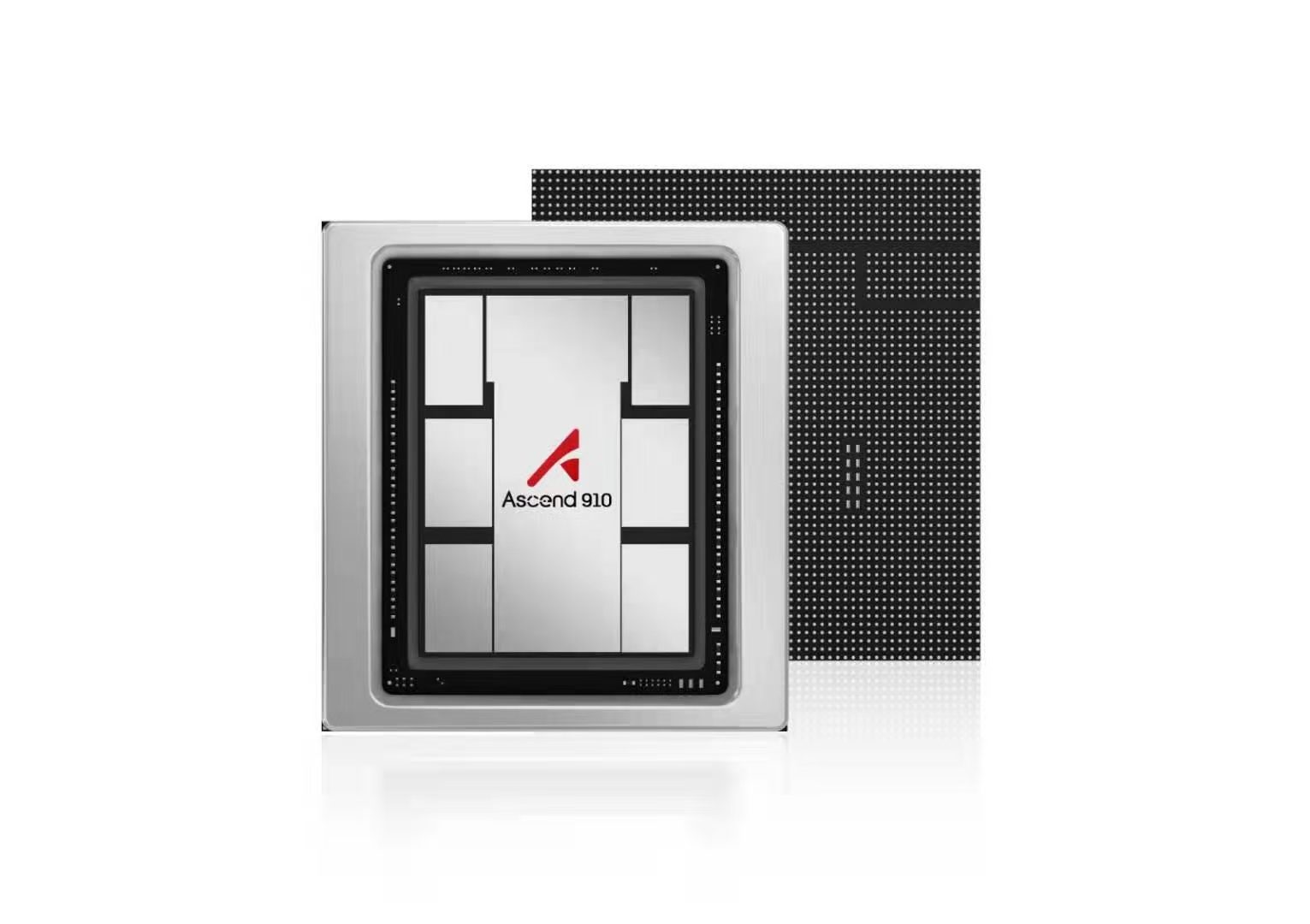
Responsible for training large models, like a "super brain," requiring extreme computational power. Representatives: Huawei Ascend 910, Cambricon Siyuan 590, Hygon DCU—performance approaching international mainstream levels, already shipping in volume to domestic large model enterprises.
2. Cloud Inference Chips: Efficiency "Aces"
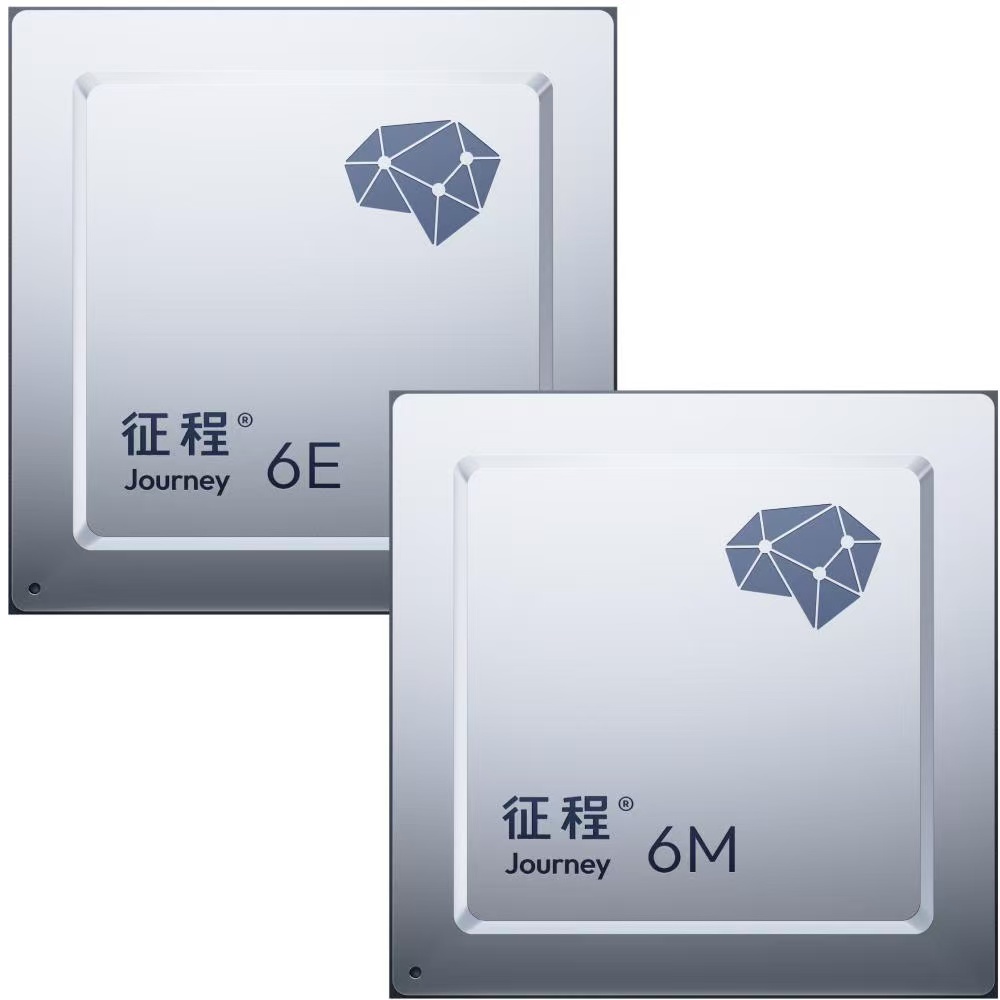
Responsible for deploying AI applications (such as chat, image recognition), prioritizing low cost and high energy efficiency. Representatives: Horizon Robotics Journey 6, Biren BR100, widely used in internet, finance, and government scenarios.
3. Edge/Terminal Chips: Compact "Super Warriors"
Installed in smartphones, cars, and cameras, featuring low power consumption and high responsiveness. Representatives: MediaTek Dimensity NPU, Rockchip RK3588, enabling AI to be available anytime, anywhere.
III. Rise of the Domestic "Core" Force: Four Major Players Lead, Breaking the Monopoly
In 2026, domestic AI chip manufacturers have risen powerfully, forming "four tiers," each with its own trump cards:
• Tier 1: All-Round Champions, Full Strength
Huawei HiSilicon: The Ascend series covers training + inference + edge devices, a full-scenario layout, holding the top domestic market share.
Hygon Information: A dual leader in CPU + DCU, with orders exceeding RMB 48 billion, performance reaching international mainstream levels.
• Tier 2: Cloud Specialists, Technology Breakthroughs
Cambricon: The Siyuan 590's performance approaches 70% of NVIDIA's A100, shipping in volume to major internet companies.
Biren Technology: The BR100 series focuses on high computing power and has entered the supply chain of leading intelligent computing centers.
• Tier 3: Edge Kings, Deeply Cultivated Scenarios
Horizon Robotics: Intelligent driving chips have secured orders from Toyota, leading the domestic autonomous driving market share.
Moore Threads: Focused on gaming AI + inference, with a clear cost-performance advantage.
• Tier 4: Emerging Forces, Overtaking on the Curve
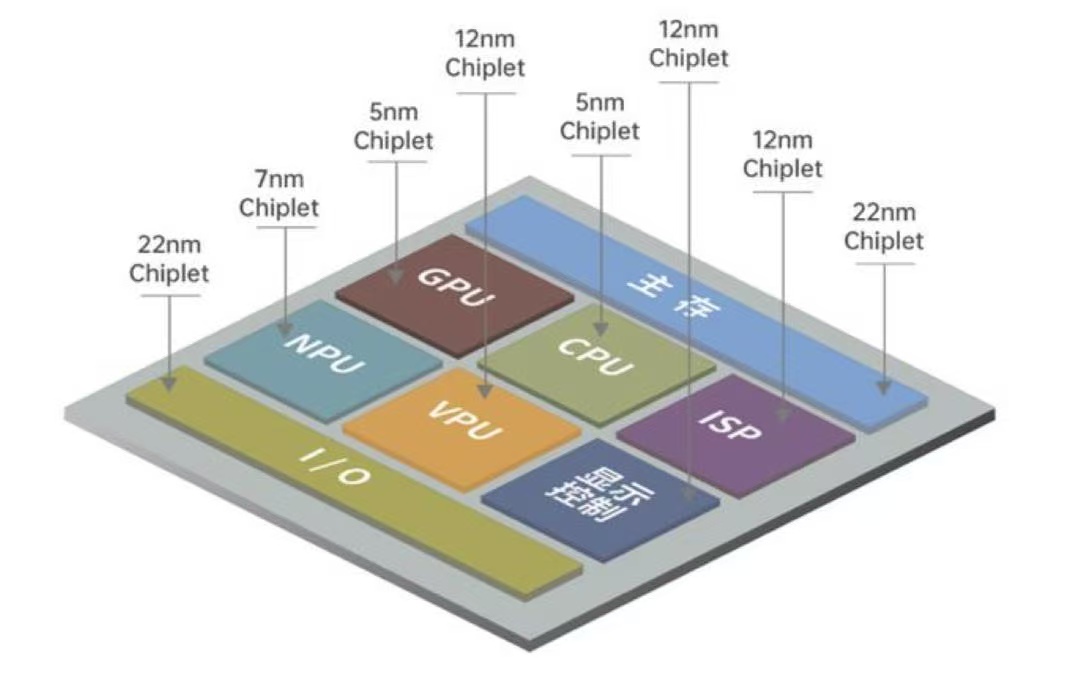
Companies like Iluvatar CoreX and MetaX Integrated Circuits focus on Chiplet technology, breaking through performance bottlenecks in a "building block" manner, achieving lower costs and faster R&D.
IV. Tech "Black Magic": Chiplet + Advanced Packaging, the Key to Corner Overtaking
Facing overseas technology blockades, domestic chips don't rely on "head-on confrontation" in advanced process nodes but instead leverage two major "black technologies" to achieve their counterattack:
• Chiplet Technology: Chip "Building Blocks"
A large chip is dismantled into multiple small "chiplets," manufactured separately, and then packaged together. Just like cutting a large cake into smaller pieces—easier to make, lower cost, stronger performance. By 2026, this has become the mainstream approach for high-end chips.
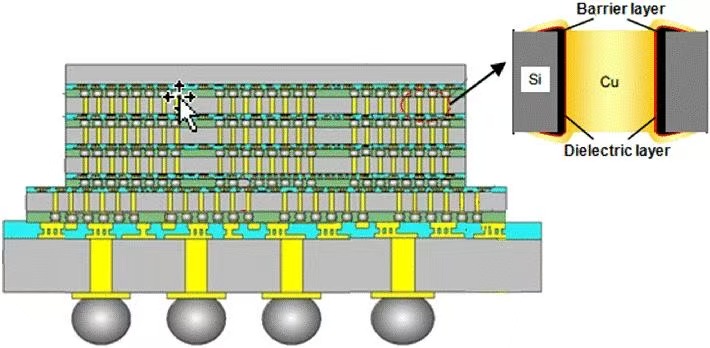
• Advanced Packaging (2.5D/3D): "Stacking" to Boost Performance
Chips, memory, and VRAM are "stacked" together, shortening data transmission distances, enabling faster speeds and lower power consumption. Packaging and testing companies like JCET and Tongfu Microelectronics have already achieved mass production, underpinning a doubling of domestic chip performance.
V. Challenges and Opportunities: Thorns on the Path Ahead, but a Brighter Future
Challenges: Three "Roadblocks"
1. Technology Gap: High-end process nodes (5nm and below), core IP, and EDA tools still rely on overseas sources; self-sufficiency and controllability need strengthening.
2. Weak Ecosystem: Software adaptation is difficult; some domestic chips are less compatible than overseas counterparts, and the developer ecosystem needs improvement.
3. Homogeneous Competition: Mid-to-low-end chips are clustered, price wars are fierce, and the high-end market still requires breakthroughs.
Opportunities: Four "Accelerators"
1. Strong Policy Support: The National Big Fund Phase II injected over RMB 200 billion, local subsidies have increased, and tax incentives (ten-year tax exemption) fully escort domestic substitution.
2. Sustained Demand Explosion: Scenarios like large AI models, intelligent driving, industrial internet, and the metaverse continue to scale up, driving long-term growth in computing power demand.
3. Maturing Industry Chain: From design (Huawei, Cambricon), manufacturing (SMIC), and packaging/testing (JCET) to equipment and materials, the entire industry chain is collaborating, with the self-sufficiency rate continuously improving.
4. Accelerating Overseas Expansion: The cost-performance advantage of domestic chips is becoming prominent. Horizon Robotics, Cambricon, and others have already secured overseas orders, accelerating their global footprint.
VI. Future Outlook: 2026-2030, Domestic Chips' "Three-Step Strategy"
• 2026: Scale Breakthrough, Substitution Accelerates
Market scale exceeds RMB 180 billion, domestic chip market share reaches 35%-50%, full dominance on the inference side, and entry into the first tier on the training side.
• 2028: Technology Catch-Up, Mature Ecosystem
Chiplet + advanced packaging technology leads globally; 7nm and below process nodes are independently controllable; the software ecosystem matures; domestic chip performance reaches world-class levels.
• 2030: Global Leadership, Comprehensive Dominance
Domestic AI chips capture over 40% of the global market, forming global competitiveness across all scenarios—training, inference, and edge—and becoming a core pillar of global computing power.
Conclusion
2026 marks the "watershed" for China's AI computing chip industry—transitioning from catching up to running alongside, from dependence to self-reliance. Policy tailwinds, demand explosions, technology breakthroughs, and industry chain collaboration—
these four engines are driving domestic chips to race ahead at full throttle. Though challenges remain on the path forward, amid the global restructuring of AI computing power, China's "core" will surely ride the wave and become a central force in the global intelligent era!
Shanghai Liyuan Micro Semiconductor Co., Ltd. is a professional SiP system-in-package solution development platform. For many years, we have provided customers with one-stop services and solutions, including ASIC chip design, SiP packaging design and simulation, SiP internal wafer procurement,
packaging production, system-level testing, reliability and failure analysis, and more. Our company offers free SiP/Chiplet design consultation and services to all customers, dedicated to helping clients achieve design goals such as small form factor,
low power consumption, and low cost. If interested, please feel free to contact us at +86 13817180836 (same number for WeChat).